
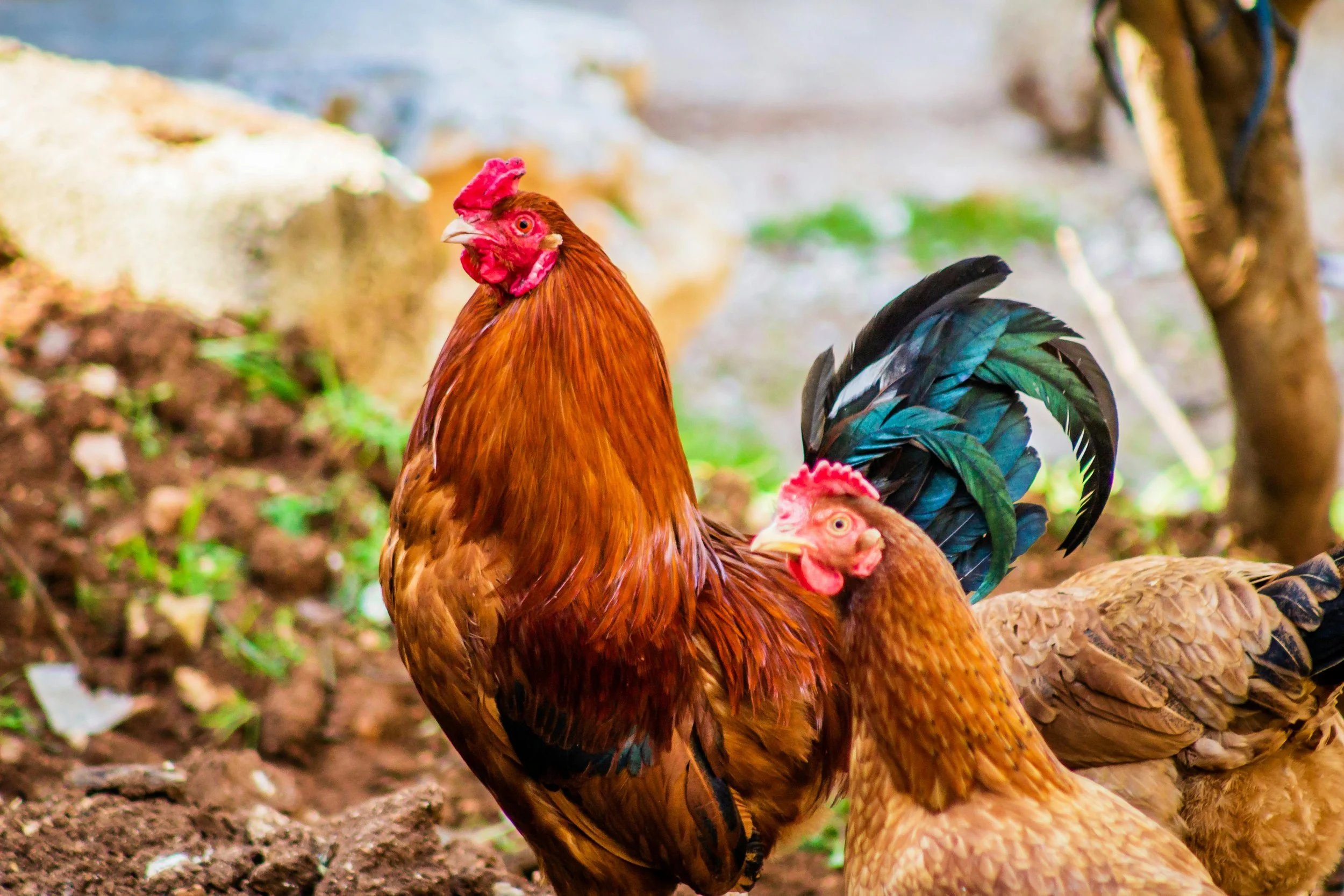
Avian Influenza

Highly pathogenic avian influenza virus (HPAIV) poses significant risks to the poultry industry, wildlife conservation, and public health. While the virus is primarily transmitted through direct contact with infected birds and can be introduced onto poultry farms from wildlife, evidence suggests that under certain conditions, wind may carry the virus between farms. This possibility raises important questions for disease control, especially in regions with a high density of poultry farms.
Through a systematic literature review, including insights from poultry and swine production, we aim to clarify what is known, where the evidence is strongest, where critical gaps remain, and what questions future studies should address. The findings will help guide research priorities, shape surveillance approaches, and ultimately inform strategies to reduce windborne disease risks and strengthen outbreak preparedness.
Outcomes
-

Summarize current evidence
Provide a summary of what is known about windborne transmission of avian influenza in poultry.
-
Highlight practical considerations
Outline environmental factors, farm conditions, and biosecurity measures worth considering when assessing the risk of windborne spread between farms.
-
Point to next steps
Identify priority areas where further research could help clarify the role of wind in disease outbreaks.
Collaborators
-

Dr. Sarah Robinson
Postdoctoral Fellow, SFU
-

Dr. Kaylee Byers
Assistant Professor, UBC / Adjunct Professor, SFU
-

Dr. Chelsea Himsworth
Associate Professor, UBC
